
 By Basiran

A collection of ancient Bitcoin wallets that had remained untouched for more than sixteen years suddenly sprung back to life over the weekend, moving a combined 600 BTC valued at approximately $48 million. The unexpected movement instantly captured the attention of the global cryptocurrency community, reviving long-standing anxieties and speculation regarding the potential awakening of coins belonging to Bitcoin’s pseudonymous creator, Satoshi Nakamoto. However, advanced onchain analysis and blockchain intelligence platforms quickly stepped in to provide clarity, ruling out any direct connection to the elusive visionary behind the world’s largest cryptocurrency.
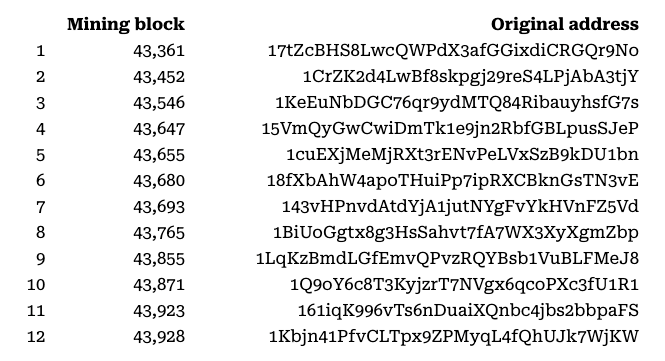
According to onchain data reviewed by Cointelegraph, a dozen long-dormant addresses executed the transactions on Saturday, shifting the funds after a slumber lasting well over a decade and a half. The sudden transfer of such vintage coins immediately triggered automated monitoring tools and set off discussions across social media platforms regarding the motives behind the transaction. Because the coins originated from a foundational era of Bitcoin’s history—a time when the network was still in its infancy and its creator was actively communicating with early developers—market participants naturally scrutinized the transaction for any potential historical significance.
Whale Alert, a prominent blockchain transaction tracking and analytics platform, conducted a deep-dive investigation into the origins of the funds. The platform reported that the 600 BTC came directly from mining rewards generated across 12 distinct Bitcoin blocks. Following a comprehensive review of the transaction paths and associated metadata, Whale Alert’s researchers concluded that there was no cryptographic or circumstantial link connecting the moved coins to Satoshi Nakamoto.
"None of the blocks can be connected to Satoshi based on our research," a spokesperson for Whale Alert told Cointelegraph, helping to calm market jitters and tempering the widespread speculation surrounding the origins of coins mined during Bitcoin’s earliest days.

Whale Alert Traces All 12 Mining Block Rewards
To arrive at its definitive conclusion, Whale Alert meticulously traced all 12 individual reward transactions back to their source. The analytics platform established that the coins originated from Bitcoin blocks mined in March 2010. During this early period in the network’s operational history, each successfully mined block yielded a block subsidy of 50 BTC.
To put this into perspective, the foundational reward structure has undergone significant changes since 2010. The original 50 BTC block subsidy has been systematically cut in half every four years through a programmed mechanism known as the halving. The most recent halving occurred in April 2024, when the reward fell from 6.25 BTC to its current rate of 3.125 BTC per newly minted block.
The comprehensive findings build upon Whale Alert’s earlier, more preliminary analysis, which initially focused on a subset of seven of the mining rewards. In an update shared via an X post on Sunday, the tracking platform confirmed that those initial seven rewards originated from blocks that its research team had independently determined were definitively not mined by Nakamoto.
Other onchain intelligence providers also weighed in on the sudden market activity. Lookonchain, another leading onchain analytics platform, had initially flagged the movement of seven miner wallets that transferred 350 BTC after remaining dormant for approximately 16.5 years. Lookonchain’s initial alerts noted that these specific wallets had earned their holdings through block rewards accrued during March 2010, aligning with the broader timeline established by Whale Alert.
Satoshi-Era Doesn’t Mean Satoshi’s Bitcoin
The intense market interest surrounding the 600 BTC movement stems primarily from the specific timeframe in which the coins were generated. March 2010 falls squarely within the era when Satoshi Nakamoto was deeply involved in the day-to-day development, maintenance, and public communication of the nascent open-source project.
Nakamoto remained an active participant in the Bitcoin ecosystem throughout 2010, collaborating with early contributors and guiding the project’s technical direction before gradually stepping back from public view. Historical records indicate that Nakamoto’s final known public communication occurred in April 2011, after which the creator vanished completely from the digital landscape, leaving the project in the hands of the broader developer community. Because any movement of coins dating back to 2010 carries the theoretical possibility of touching Satoshi’s personal stash—estimated by various analysts to include roughly one million coins—such transactions routinely spark widespread market speculation.
Further adding to the intrigue of the weekend’s events, Whale Alert highlighted a distinct pattern in how the transactions were executed. Researchers observed that one of the rewards was moved across the blockchain several blocks before the vast majority of the other transfers took place. According to the platform, this behavioral pattern is entirely consistent with a preliminary test transaction—a common practice used by wallet operators to ensure that a complex transfer mechanism or recovery process works properly before moving the remainder of the funds.
 Ali Ikhwan
 Dwi Wanna
 Nana Muazin