
 By Sagoh
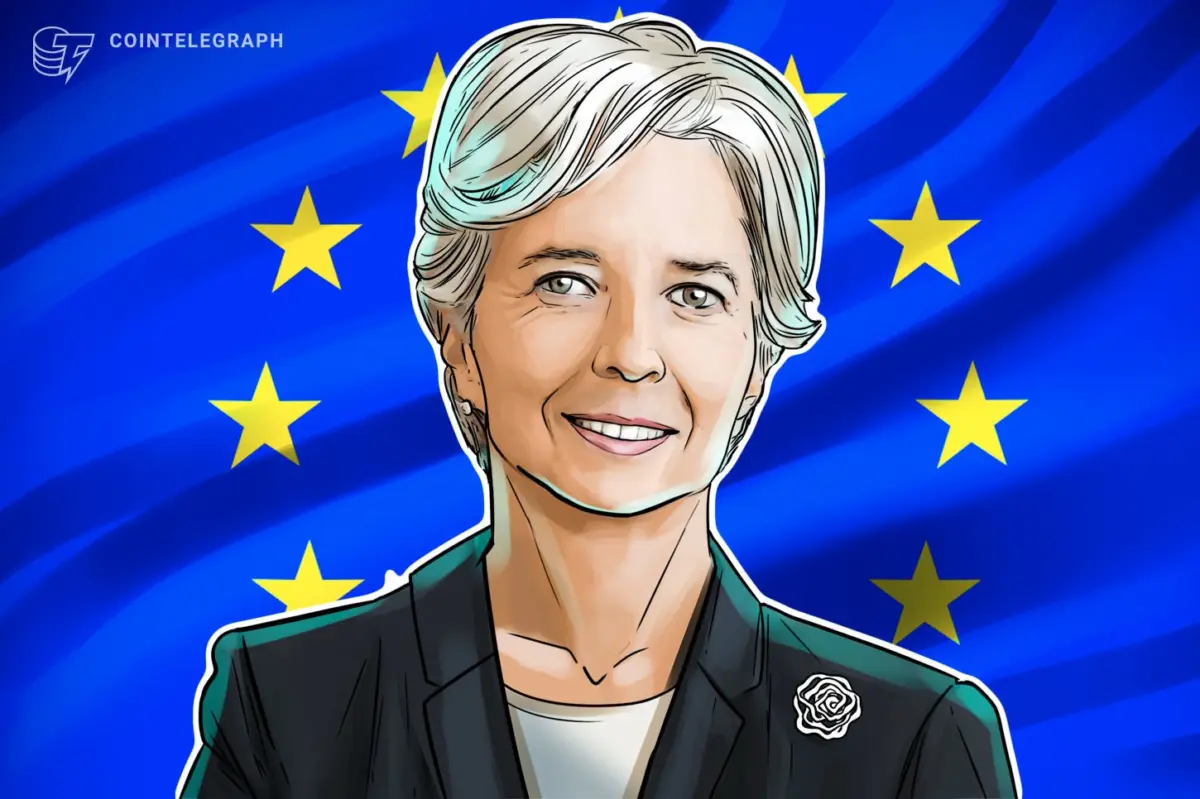
European Central Bank (ECB) President Christine Lagarde has officially announced her intention to step down from her high-profile leadership role at the Frankfurt-based institution, setting the stage for a major transition in European monetary policy.
In a statement published on Thursday via a social media post on X, Lagarde confirmed the timeline for her departure to her professional peers and the public. "I have just informed my colleagues that I will step down as ECB President on 7 February 2027," Lagarde wrote in her post.
Having assumed the presidency of the European Central Bank in November 2019, Lagarde will have served for approximately seven years and three months by the time she officially vacates her office. While her original eight-year mandate was scheduled to run through October 2027, rumors and reports regarding an early exit first began circulating in February 2026. At that time, anonymous sources indicated to financial news publications that the ECB chief was contemplating a departure prior to the formal conclusion of her term.
Following her upcoming departure, the process of selecting and appointing her successor will fall to the European Council. This transition will be governed by the precise nomination framework laid out in Article 283 of the Treaty on the Functioning of the European Union. According to an official press release issued by the ECB on Thursday, this complex appointment process necessitates a formal recommendation from the European Council, which must take place following consultations with both the European Parliament and the governing bodies of the central bank itself.
Throughout her tenure, Lagarde has steered the central bank through an extraordinarily turbulent period in modern economic history. A lawyer by profession prior to entering the upper echelons of international public service, Lagarde brought a wealth of macroeconomic and diplomatic experience to the ECB. Before taking the helm at the central bank, she served as the managing director of the International Monetary Fund (IMF) from 2011 to 2019, and prior to that, she held the demanding position of France’s Minister of the Economy, Finance, and Industry.
During her time leading the European Central Bank, Lagarde helped the institution successfully navigate a cascade of unprecedented global crises. Her leadership was tested almost immediately upon taking office as the world plunged into the economic fallout of the COVID-19 pandemic, which required massive monetary intervention and emergency stimulus measures. Shortly thereafter, the ECB had to contend with the economic repercussions of Russia’s invasion of Ukraine, a geopolitical conflict that triggered a severe energy crisis across the European continent, fueled inflationary pressures, and forced the central bank into a delicate balancing act of raising interest rates to combat inflation without choking off fragile post-pandemic economic growth.
Amid these macroeconomic challenges, Lagarde’s presidency also witnessed significant structural modernization within the European financial landscape, particularly regarding digital currencies and payment systems. Under her guidance, the ECB advanced substantial preliminary work toward the potential development and issuance of a digital euro, an initiative designed to provide citizens and businesses with a secure, public form of digital central bank money for day-to-day retail payments across the eurozone. Furthermore, in September, the Eurosystem launched Pontes, a specialized system enabling financial institutions to settle wholesale tokenized asset transactions utilizing central bank money, effectively creating a regulated institutional alternative to private stablecoins.
Vocal crypto critic vowed no BTC in cenbank reserves
Beyond her traditional monetary policy responsibilities, Lagarde has maintained a distinctly conservative stance on decentralized digital assets, establishing herself as a vocal and consistent critic of Bitcoin and the broader cryptocurrency ecosystem.
Her skepticism regarding decentralized digital currencies has been a recurring theme throughout her public appearances and press briefings. During a heavily scrutinized press conference held in January 2025, Lagarde addressed the topic of alternative assets and state financial security directly. She articulated a strict philosophy regarding the composition of national financial safety nets, asserting that central bank reserves need to remain strictly liquid, secure, and safe. Expanding on this point during the briefing, Lagarde added that she was entirely "confident" that Bitcoin would never find its way into the official reserves of any of the central banks represented on the ECB’s General Council.
This critical perspective has also extended to private digital tokens operating in commercial markets. Lagarde has repeatedly expressed doubts regarding the capacity of private stablecoins to enhance or reinforce the international standing of the single European currency, maintaining that the stability of the eurozone relies fundamentally on the trusted framework of sovereign central bank money rather than decentralized or privately issued digital tokens.
As the countdown to her departure in February 2027 begins, financial markets and political capitals across the continent will increasingly turn their attention toward the impending leadership succession. The eventual choice made by the European Council will not only determine the next figurehead of the eurozone’s monetary authority but will also shape the future direction of European financial regulation, digital currency integration, and economic strategy for years to come.
 Azzam Bilal Chamdy
 Neng Nana
 Evan Lee Salim