
 By rifanmuazin
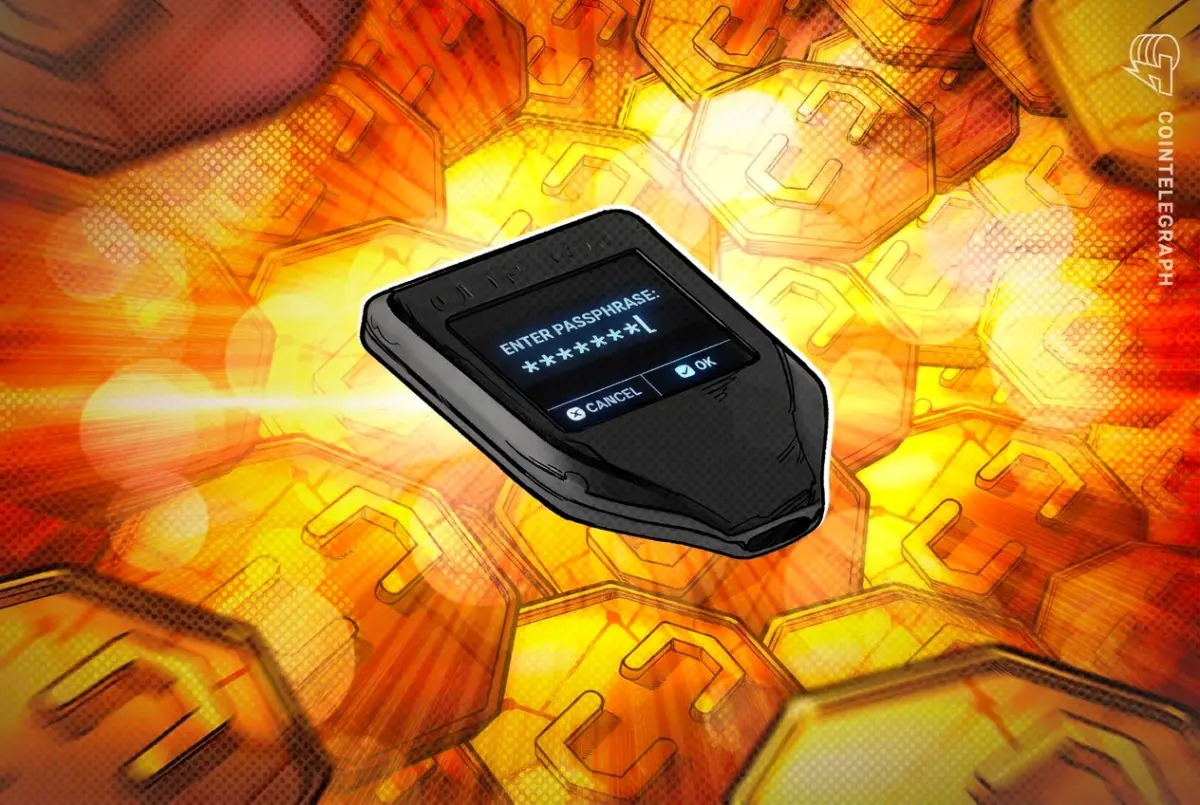
Hardware cryptocurrency wallet manufacturer Trezor has significantly upgraded its security infrastructure by increasing the maximum length of optional wallet passphrases from 50 to 128 characters.
The enhancement, announced by the company through its official channels, is designed to provide cryptocurrency holders with an unprecedented layer of cryptographic defense against sophisticated physical and remote attacks. According to Trezor, the updated character limit is now available within the Trezor Suite software interface, provided that users have also updated their physical hardware device firmware to the latest compatible version. The company noted that older firmware versions will continue to enforce the legacy 50-character limit, encouraging all eligible users to apply the necessary software and hardware updates to take advantage of the extended security parameter.
To fully understand the significance of this update, it is essential to examine how passphrases function within the ecosystem of hierarchical deterministic (HD) cryptocurrency wallets. In standard wallet configurations, a recovery phrase—typically consisting of 12 to 24 randomized words—serves as the master key capable of generating all private keys and associated digital assets. However, a passphrase acts as an optional, additional password defined entirely by the user. When combined with the standard recovery phrase, the passphrase fundamentally alters the cryptographic derivation path, effectively creating a completely hidden, secondary wallet.
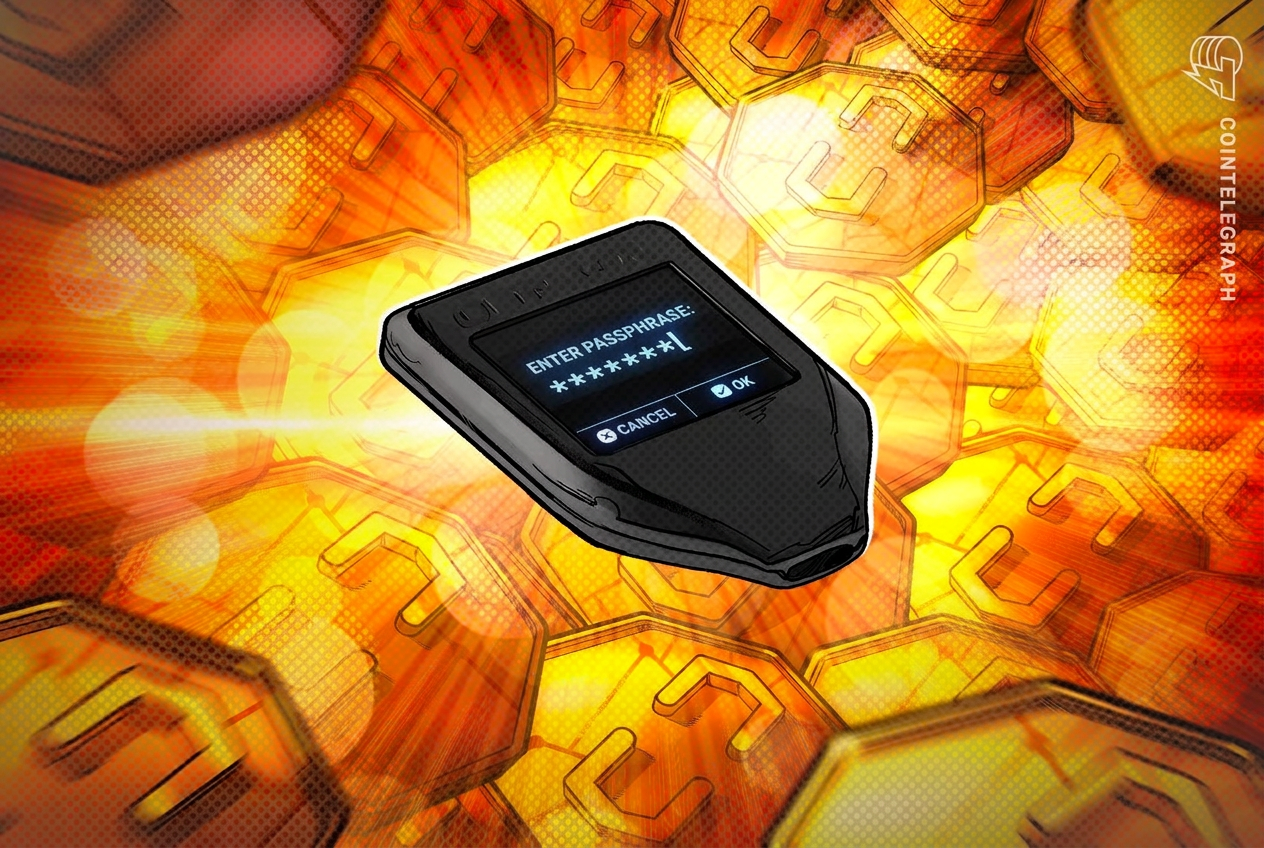
This architectural design means that even if a malicious actor manages to extract or compromise a user’s physical recovery phrase, they remain entirely locked out of the funds secured behind a passphrase, as the correct combination of both elements is mathematically required to access the assets. By more than doubling the maximum permissible length of these passphrases to 128 characters, Trezor is enabling users to construct exceptionally complex passphrases or long-form passphrases that offer massive resistance against brute-force attacks, rainbow tables, and advanced computational guessing techniques.
Trezor explicitly tied the timing and necessity of this security upgrade to a high-profile industry incident that shook the hardware wallet community earlier in the year. In July, rival hardware wallet manufacturer Coldcard faced a severe security scare when a firmware vulnerability resulted in some devices generating recovery phrases with insufficient cryptographic randomness. This flaw dramatically weakened the entropy of the affected seed phrases, allowing sophisticated attackers to reconstruct them and compromise user funds. In the wake of those incidents, security audits and post-mortems revealed that strong, unique passphrases served as an effective firewall for affected users, successfully shielding their digital assets from theft even when their underlying hardware recovery information had been fundamentally compromised.
The implementation of the 128-character passphrase limit also arrives on the heels of a separate, pressing security advisory issued by Trezor regarding its own physical device supply chain. Just days prior to the software update announcement, the company issued a critical warning urging customers who had purchased hardware wallets from CryptoBilis—a former authorized reseller operating in Indonesia—since March to immediately transfer their digital assets to brand-new wallets generated from trusted sources.

The warning was prompted by an alarming report from an Indonesian customer who discovered a suspected hardware implant physically integrated inside a Trezor Safe 5 device. According to the initial reports, the unauthorized modification was ostensibly capable of capturing sensitive on-screen information, including the user’s recovery phrase during the setup process, and covertly transmitting that data over a cellular network. At the time of the advisory, Trezor stated that its internal engineering and security teams had not yet physically examined the specific device in question and emphasized that no actual losses had been reported in connection with the incident. Nevertheless, the company prioritized user safety by advising immediate migration of funds as a precautionary measure, underscoring the persistent vulnerabilities associated with third-party supply chains and unauthorized retail intermediaries in the hardware cryptocurrency storage sector.
 Ali Ikhwan
 Dwi Wanna
 Nana Muazin