
 By Nana Muazin

Popular communication platform Discord is introducing a significant policy shift that will make conversations from its largest public servers discoverable across mainstream search engines, including Google. The update marks a major departure from the platform’s traditional operational model, which has historically kept user discussions strictly siloed within the application’s closed ecosystem. While the company frames the move as a long-overdue solution to the problem of hidden knowledge, the adjustment has immediately raised privacy concerns among users accustomed to a more contained conversational environment.
The upcoming changes apply specifically to what Discord classifies as Discoverable Servers. These are active public communities with a minimum threshold of 1,000 members that are featured directly within Discord’s official public directory and do not require a formal invitation link for users to join. Under the new policy, the digital footprint of these communities will extend far beyond the application’s interface, allowing outside web users to access conversations that were previously confined to registered members.
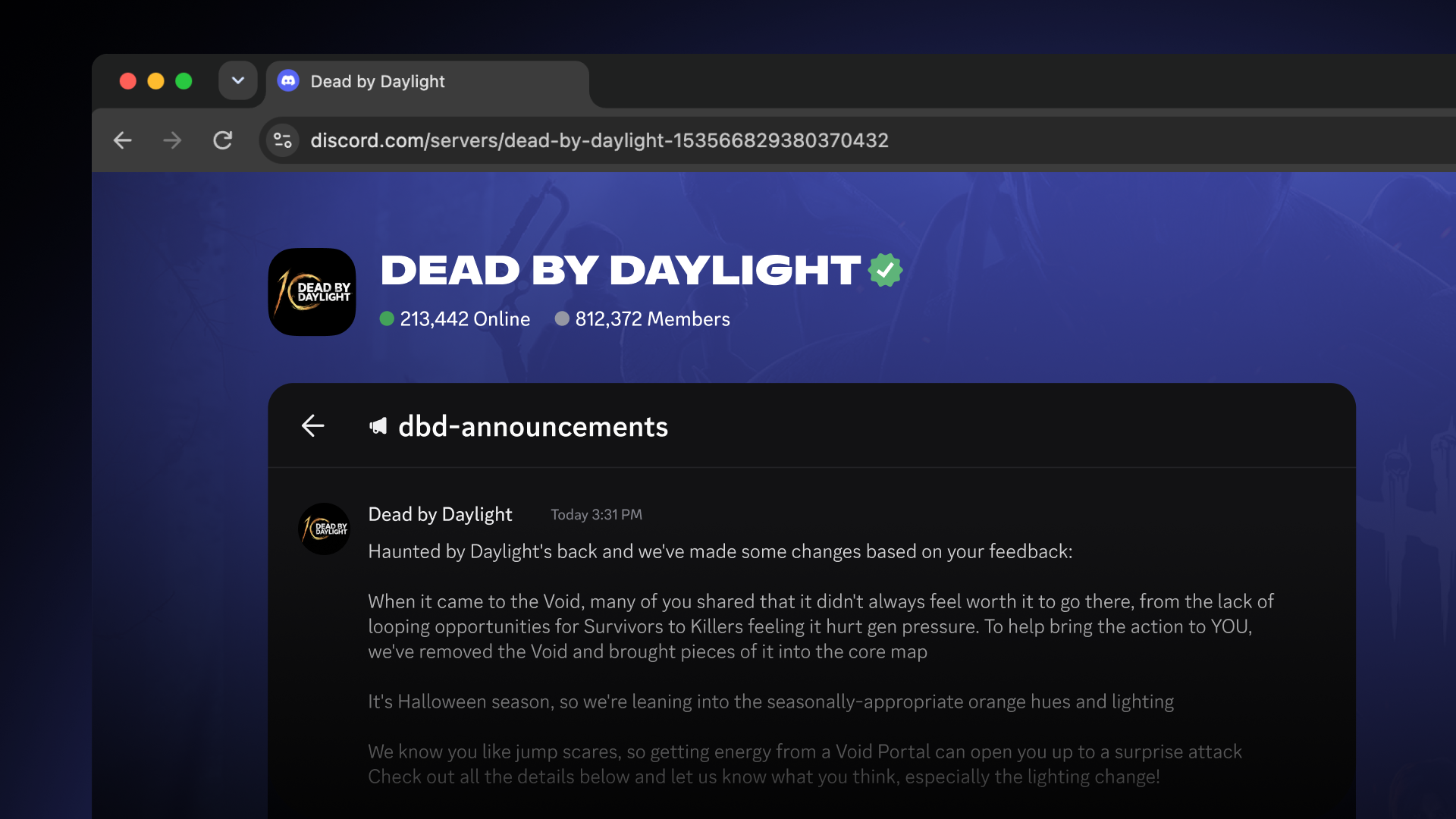
According to the rollout timeline provided by Discord, the transition will occur in two distinct phases. Beginning on November 16, every Discoverable Server will automatically be assigned a dedicated web page that may feature automated summaries of public channel discussions. Following that initial phase, individual messages posted within eligible public channels will begin appearing directly in web search engine results by mid-December. Discord has clarified certain parameters for the rollout, noting that messages posted prior to the official implementation date will remain excluded from web indexing. Furthermore, the platform has emphasized that individual usernames and user avatars will be strictly omitted from any published messages that appear on external web pages.

Explaining the rationale behind the policy modification, Discord pointed to the broader internet culture shift that has seen online communities migrate away from traditional message boards, forums, and specialized websites and toward real-time chat applications like Discord. The company argued that this migration has inadvertently created a vast repository of valuable technical answers, troubleshooting advice, and community knowledge that remains entirely locked away inside private chat servers, making it exceptionally difficult for outside internet users to find via standard search queries. By bridging the gap between chat platforms and traditional search engines, Discord aims to solve this discoverability problem and make useful content more accessible to the wider internet.
Despite the platform’s stated goals, the policy update has swiftly drawn criticism from various corners of the internet. Users across social media platforms and community forums have expressed unease regarding the prospect of their daily conversations reaching audiences far beyond their intended community scope. Critics have pointed out that even though these servers are technically public and accessible to anyone willing to join, many participants operate under the psychological assumption that a chat application functions differently than an open forum indexed by Google. The realization that casual remarks, technical troubleshooting, or personal insights could surface in a random web search has caused considerable anxiety among regular users.
Conversely, the move has also found vocal support among users who frequently struggle to locate specific answers online. Many individuals welcomed the adjustment, arguing that the modern reliance on Discord as a primary database for gaming guides, developer support, and hobbyist communities has severely hampered information retrieval. In online discussion threads regarding the announcement, supporters described the integration as very much necessary, noting that valuable troubleshooting steps and community discussions have long been trapped in an unsearchable black box.
The policy change carries particular significance for specialized ecosystems, including cryptocurrency and financial communities that heavily rely on Discord for real-time technical discussions, customer support, project updates, and market analysis. An internal review by Cointelegraph revealed that Discord’s public directory hosts nearly 800 active servers tagged specifically under cryptocurrency, approximately 1,400 servers tagged under trading, and upwards of 700 servers categorized under finance. Across the entire platform, Discord estimates there are more than 63,000 total discoverable servers that could potentially fall under the scope of the new web indexing policies, highlighting the vast scale of content that may soon become searchable online.
In response to the looming privacy concerns, Discord has instituted several opt-out mechanisms and regional protections for its user base. Users who prefer to keep their conversational history off external web pages have until the message-sharing rollout commences in mid-December to adjust their account settings. To accommodate strict regional privacy regulations, Discord confirmed that the new web-sharing feature will be disabled by default for users residing in Australia, the European Union, the European Economic Area, the United Kingdom, Canada, Brazil, and South Korea. Additionally, accounts registered to teen users will be automatically excluded from the web indexing initiative.
For users wishing to manually opt out before the deadline, Discord has provided controls located within the application’s data and privacy menus. By navigating to User Settings, selecting Data and Privacy, and switching off the specific preference regarding message content from discoverable channels on web pages, participants can block their messages from being published externally. The platform notes that this single setting covers every Discoverable Server a user happens to belong to.
Users retain the ability to disable the feature even after the official launch in December, though any opt-out applied post-launch will only protect messages sent after the setting has been toggled. For individuals who wish to remove previously indexed messages, the content must be manually deleted from Discord itself. Even then, the platform has warned that third-party search engines may continue to retain cached copies of the web pages for some time after deletion requests are processed.
Server administrators and community moderators have also been granted administrative controls to manage their community’s public footprint. Administrators can prevent messages originating from individual channels or even entire servers from appearing on public web pages and search engine results by adjusting their server settings. Furthermore, administrators retain the ability to independently disable the automated discussion summaries that are scheduled to begin rolling out ahead of the full search indexing launch.
 Neng Nana
 rifanmuazin
 Evan Lee Salim