
 By Nana
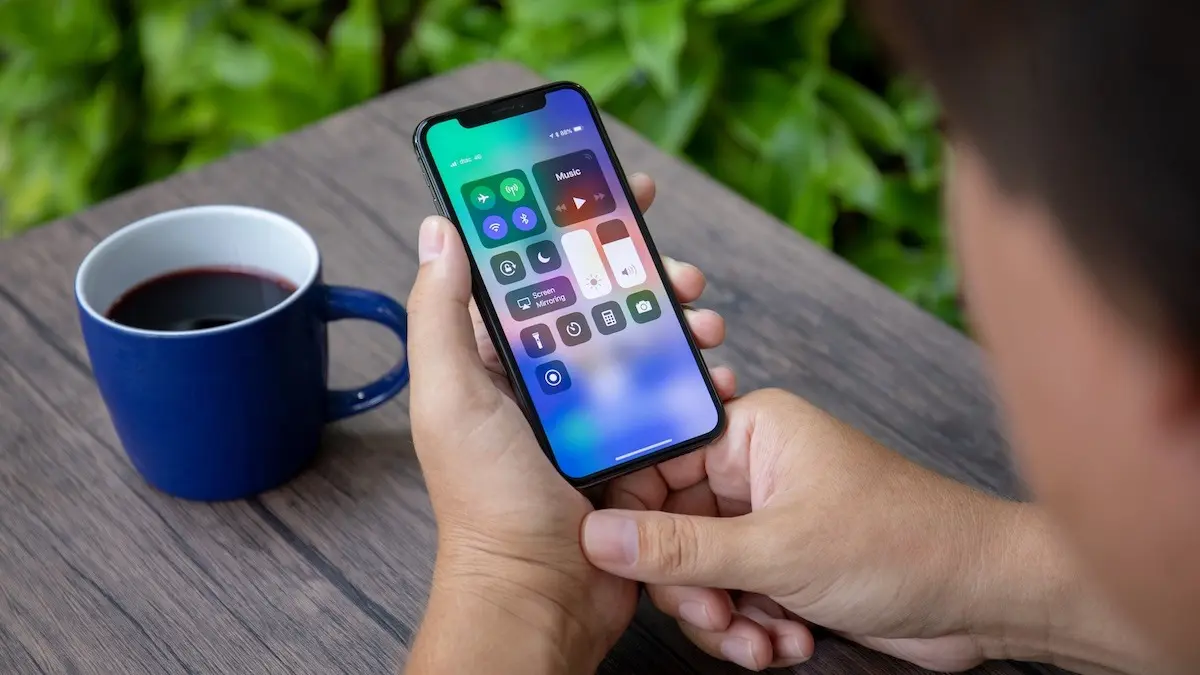
In a comprehensive security response released this Monday, Apple has deployed a suite of updates across its entire product ecosystem, including iOS, iPadOS, macOS, watchOS, and visionOS. The updates aim to patch 10 distinct vulnerabilities, with a significant portion of the security patches focused on rectifying weaknesses within Bluetooth and AirPlay pairing mechanisms. These updates are vital for maintaining the integrity of Apple’s interconnected device environment, where seamless communication between hardware often relies on complex pairing protocols that, if left unpatched, could be leveraged by sophisticated attackers.
The vulnerabilities addressed in this release vary in severity and scope, though five of the identified flaws are universal, impacting every operating system version currently under support. The affected versions include iOS and iPadOS 27.2.1, 26.7.3, and 18.7.12; macOS Golden Gate 27.2.1, Tahoe 26.7.3, and Sequoia 15.8.3; watchOS 27.2.1 and 26.6.1; as well as visionOS 27.2.1. By pushing these fixes across the entire product line simultaneously, Apple is attempting to ensure that its users, regardless of the device they prefer, remain protected against potential exploits that could bypass critical security controls.
Deep Dive into Pairing Vulnerabilities
A substantial portion of the security bulletin centers on the vulnerabilities related to how Apple devices establish connections. Specifically, three of the five universal flaws involve limitations on the number of guesses allowed for pairing codes—a standard defense mechanism designed to thwart brute-force attacks.
Among these, CVE-2026-113968 represents an AirPlay bug that can be exploited by an attacker operating within standard Bluetooth range. A similar vulnerability, CVE-2026-113969, is embedded within the rapportd component. Unlike the previous bug, this one requires the attacker to be present on the same local network, and it specifically concerns the manipulation of AirPlay pairing codes. By bypassing the rate limit on these codes, an unauthorized user could potentially force a pairing or gain unauthorized access to a device’s AirPlay functionality.
The third, and perhaps most concerning of this set, is CVE-2026-113964, located in the CoreUtils framework. Apple’s advisory notes that this vulnerability allows an attacker within Bluetooth proximity to bypass the rate limit on pairing code attempts. Effectively, this allows the attacker to pair with a device without any user interaction or consent. A related issue, identified as CVE-2026-113965 and also residing within CoreUtils, shares a similar profile, where a malicious Bluetooth device could theoretically establish a connection without the owner’s awareness. Rounding out the primary Bluetooth-related flaws is CVE-2026-113970, a "use-after-free" vulnerability. This memory management error could allow an attacker within Bluetooth range to corrupt the device’s process memory, creating a pathway for further malicious activity or system instability.
Addressing Messaging and Third-Party Risks
Beyond the connectivity and pairing issues, Apple has also addressed significant vulnerabilities within the Messages application, which remains a primary target for remote exploitation. Two flaws, CVE-2026-113961 and CVE-2026-113960, were patched across the majority of the operating systems.
The first of these, CVE-2026-113961, is particularly concerning as it could allow a remote attacker to surreptitiously join an existing iMessage group chat. Once inside, the attacker would have the capability to receive messages intended only for legitimate group members, posing a clear threat to user privacy and communications security. The second flaw, CVE-2026-113960, concerns the historical integrity of group chats. Under certain conditions, this vulnerability could expose the contents of a group’s earlier conversations to individuals who are added to the thread later, effectively bypassing the expected privacy boundaries of the messaging service.
Furthermore, these security releases include a fix for CVE-2026-111497, a vulnerability linked to the Brotli compression library. This specific flaw has been dubbed "Node2Shell" and has been observed by security researchers and CISA (the Cybersecurity and Infrastructure Security Agency) as being targeted by threat actors in the wild. While Apple has noted that there is no current evidence of these vulnerabilities being exploited against its own products, the inclusion of this patch highlights the company’s proactive stance in mitigating known, high-profile threats that could theoretically impact its software stack.
Platform-Specific Fixes and Industry Accountability
While the majority of the 10 vulnerabilities are widespread, some are limited to specific hardware or operating systems, necessitating targeted updates. CVE-2026-113963 is an authorization issue within the App Intents framework. This flaw could potentially grant a malicious or compromised app elevated access to sensitive user information. Apple has restricted the fix for this issue to iOS and iPadOS 27.2.1, watchOS 27.2.1, and visionOS 27.2.1.
Additionally, CVE-2026-113971 is specific to the iOS and iPadOS 18.7.12 advisory, which primarily impacts older hardware, including the iPhone XS, XS Max, XR, and the seventh-generation iPad. In this scenario, an attacker with physical access to the device could pair it with an AirPlay receiver directly from the lock screen. While this requires a high level of physical proximity and opportunity, it represents a significant bypass of the device’s lock-screen security protocols.
Apple has been transparent about the discovery of these flaws, crediting itself for the identification of five of the vulnerabilities. The remaining issues were identified by external parties, with an anonymous researcher receiving credit for the discovery of both Messages bugs and the CVE-2026-113964 CoreUtils flaw. The App Intents vulnerability was credited to László Várady, who identified the authorization weakness.
As of the current release, Apple has stated that there are no reports of these vulnerabilities being actively exploited "in the wild." However, the sheer volume and nature of these patches underscore the ongoing challenge of maintaining security in an increasingly connected hardware ecosystem. By systematically addressing these flaws, Apple continues its efforts to protect its user base from both remote network-based attacks and localized, proximity-based threats. Users are strongly encouraged to update their devices to the latest versions through the standard Software Update mechanism to ensure that these security protections are applied to their systems immediately. For those seeking a deeper technical breakdown of the individual CVEs and the specific security headers involved, Apple provides full documentation on its official Security Releases webpage.
 Evan Lee Salim
 Nana Muazin
 Muslim