
 By Asro
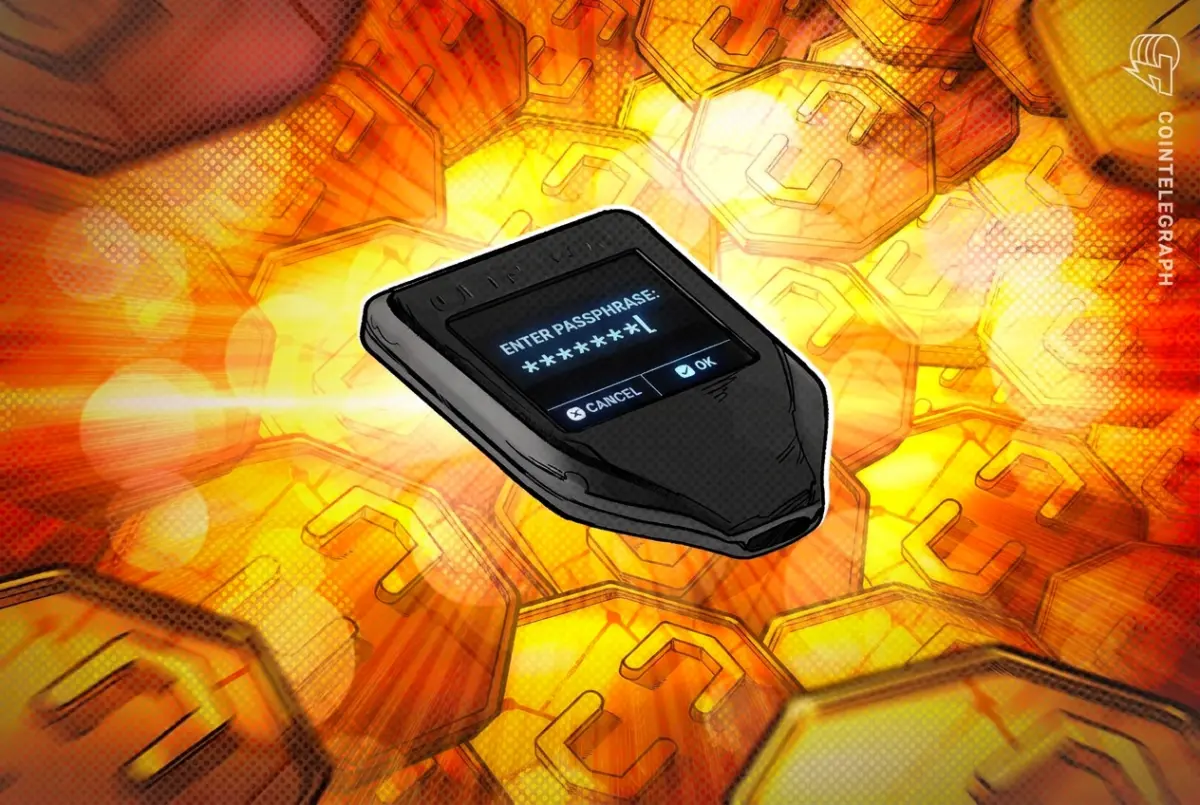
Hardware cryptocurrency wallet manufacturer Trezor has significantly expanded the security parameters of its devices by increasing the maximum length of optional wallet passphrases from 50 to 128 characters.
Announced by the company over the weekend
, the upgrade is designed to provide cryptocurrency holders with a vastly enhanced layer of cryptographic defense against sophisticated physical and remote attacks. According to Trezor’s official communications, the new passphrase capability is now available to users operating the Trezor Suite application alongside updated device firmware. However, the company emphasized that older firmware iterations will continue to enforce the legacy 50-character limit, requiring users to update their devices to leverage the full scope of the enhanced security features.
Within the architecture of modern hardware wallets, a passphrase functions as an additional, user-defined password applied on top of a standard cryptographic recovery phrase—commonly referred to as a seed phrase. While a standard recovery phrase typically consists of 12 to 24 random words generated during the initial setup of a wallet, an optional passphrase acts as a 13th or 25th word, creating an entirely separate, hidden wallet container. Even in a worst-case scenario where an unauthorized actor manages to obtain a user’s physical recovery phrase, they would still remain entirely locked out of the funds stored within that specific wallet unless they also possess the exact, case-sensitive passphrase. By extending the maximum length allowed from 50 characters to 128 characters, Trezor is effectively compounding the mathematical complexity required for brute-force attacks, granting advanced users the ability to construct exceptionally long, highly secure passphrases or passphrases derived from multi-word passphrases and long strings of randomized characters.
Trezor explicitly tied the rollout of this security enhancement to industry-wide lessons learned from major security incidents earlier in the year. Specifically, the company cited the high-profile attacks targeting rival hardware wallet maker Coldcard back in July. During those security breaches, a firmware vulnerability led to a situation where certain devices generated recovery phrases with severely compromised randomness. This technical flaw dramatically reduced the cryptographic entropy of the affected seed phrases, inadvertently allowing sophisticated attackers to mathematically reconstruct the compromised recovery phrases and drain user funds.
However, amidst the fallout of the Coldcard incidents, security researchers and affected users noted a critical saving grace: individuals who had implemented strong, unique passphrases on their wallets successfully protected their assets. Even though the underlying recovery phrases were mathematically compromised and exposed to malicious actors, the presence of an independent, robust passphrase acted as an impenetrable barrier, preventing unauthorized access to the funds hidden behind it. By pointing to this real-world scenario, Trezor underscored the vital importance of passphrase utilization as an essential defense-in-depth mechanism for self-custody advocates.
This major software and firmware upgrade follows closely on the heels of a separate, highly concerning security warning issued regarding Trezor’s own hardware supply chain. Just days prior to the passphrase announcement, the hardware wallet manufacturer urged a specific segment of its customer base to immediately transfer their digital assets to entirely new wallets. The advisory targeted customers who had purchased Trezor hardware wallets through CryptoBilis, a former authorized reseller, at any point since March of the current year.
The urgent advisory was prompted by an alarming report from an Indonesian customer who discovered a suspected physical implant inside a Trezor Safe 5 device purchased through the reseller. According to preliminary findings and user reports, the unauthorized modification was engineered to capture sensitive on-screen information—including the user’s recovery phrase during the setup or restoration process—and clandestinely transmit that confidential data over an external cellular network. Upon learning of the incident, Trezor moved quickly to issue the precautionary warning to safeguard its customers, though the company noted at the time that it had not yet physically examined the compromised device in its own laboratories and had received no official reports of actual financial losses stemming from the suspected supply chain tampering.
The convergence of these events highlights the ongoing challenges facing the cryptocurrency self-custody sector, where hardware manufacturers must constantly balance ease of use with the absolute necessity of robust, multi-layered security measures against both remote software vulnerabilities and physical supply chain compromises.
 Dwi Wanna
 Nana Wu
 Jia Lissa