
 By Evan Lee Salim
The cryptocurrency community entered 2019 with a renewed sense of cautious optimism, watching digital assets like Bitcoin and Tron show early signs of recovery following a brutal, prolonged bear market. However, those hopes for a seamless transition into a more stable trading environment were abruptly challenged on January 14, 2019, when malicious actors struck the digital asset sector in the Southern Hemisphere. Cryptopia, a prominent and long-standing cryptocurrency exchange based in New Zealand, announced that it had suffered a severe security breach, forcing the platform offline and plunging its user base into a state of deep uncertainty regarding the safety of their digital holdings.
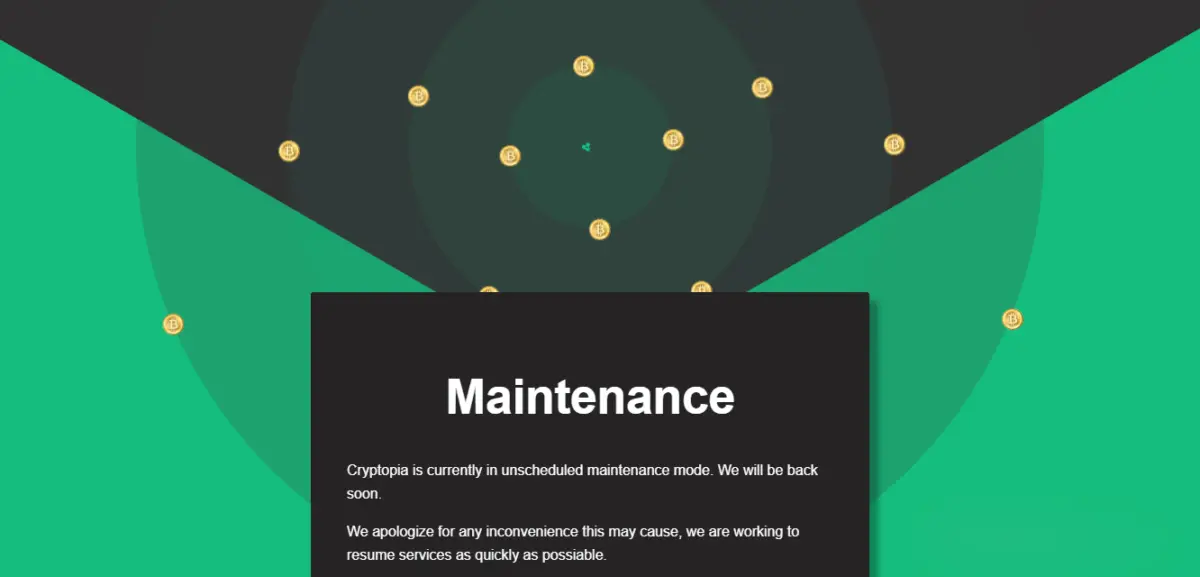
Management at the Christchurch-headquartered trading platform revealed that unauthorized access had compromised the exchange’s security architecture. In response to the crisis, administrators immediately took the platform offline, characterizing the operational shutdown as “unscheduled maintenance.” While the exchange’s executive team initially refrained from releasing precise financial figures or granular technical details regarding the vector of the attack, subsequent statements confirmed that the platform had incurred significant, highly damaging losses. To contain the breach and prevent further asset drainage, the exchange placed its entire infrastructure on complete lockdown, cutting off all user access while cooperating closely with New Zealand law enforcement agencies and specialized cybersecurity investigators to untangle the mechanics of the infiltration. Consequently, all trading activities on the platform were indefinitely suspended until further notice, leaving traders unable to withdraw or trade their funds.

On-chain analysis soon began to paint a clearer picture of the scale of the disaster. Observers and blockchain intelligence reports, including insights highlighted by industry publication Bitcoinist, revealed suspicious outflows originating directly from Cryptopia’s designated wallets. Approximately 43 hours before the public confirmation of the hack, blockchain monitors flagged a massive, unauthorized transaction moving roughly $2.5 million worth of Ether out of a tagged Cryptopia wallet and into an external address. Although the ultimate destination of the stolen capital remained unconfirmed in the immediate aftermath, industry analysts widely assumed that these shifted funds constituted a major portion of the devastating losses referenced by the exchange’s management team.
The timing of the incident served as a sobering reminder of the persistent security challenges facing the digital asset industry. The preceding year, 2018, had already carved out a notorious reputation as one of the most punishing periods in cryptocurrency history, defined by a punishing bear market running parallel to a relentless wave of high-profile exchange hacks and platform failures, such as the catastrophic Coincheck security breach which resulted in the loss of over $500 million. Although market participants and analysts had entered 2019 harboring high expectations that the industry would mature past these systemic vulnerabilities, this initial strike demonstrated that digital asset platforms remained prime targets for sophisticated cybercriminals.
Cryptopia’s trajectory within the broader cryptocurrency ecosystem added further context to the gravity of the event. While the platform had once enjoyed a position of prominence and popularity during earlier cryptocurrency market cycles, it had gradually slipped into a lower tier of visibility and trading volume, operating quietly as a smaller exchange relative to global giants. Industry commentators noted that this unfortunate security breach should serve as a sharp, urgent warning to larger and more popular exchanges across the global cryptocurrency landscape, signaling that no platform, regardless of its size, user base, or historical longevity, is immune to targeted cyber attacks.

The breach at Cryptopia was not isolated in the broader context of early-year digital security incidents, as other platforms and high-profile social media accounts linked to the blockchain sector had also reported suspicious activity and security lapses. However, the attack on the New Zealand exchange marked the first major cryptocurrency exchange hack of the year. As the digital asset community moved further into 2019, security experts advised market participants to anticipate further attempts by malicious actors to exploit infrastructural weaknesses across various trading venues. Management at Cryptopia indicated that further updates would be released to the public as investigations progressed and more verified information became available from law enforcement and internal security teams. In the meantime, traders across the wider cryptocurrency ecosystem were urged to exercise heightened vigilance, as the evolving nature of digital asset threats meant that the next target for malicious actors remained entirely unpredictable.
 Azzam Bilal Chamdy
 Nila Kartika Wati