
 By Nila Kartika Wati
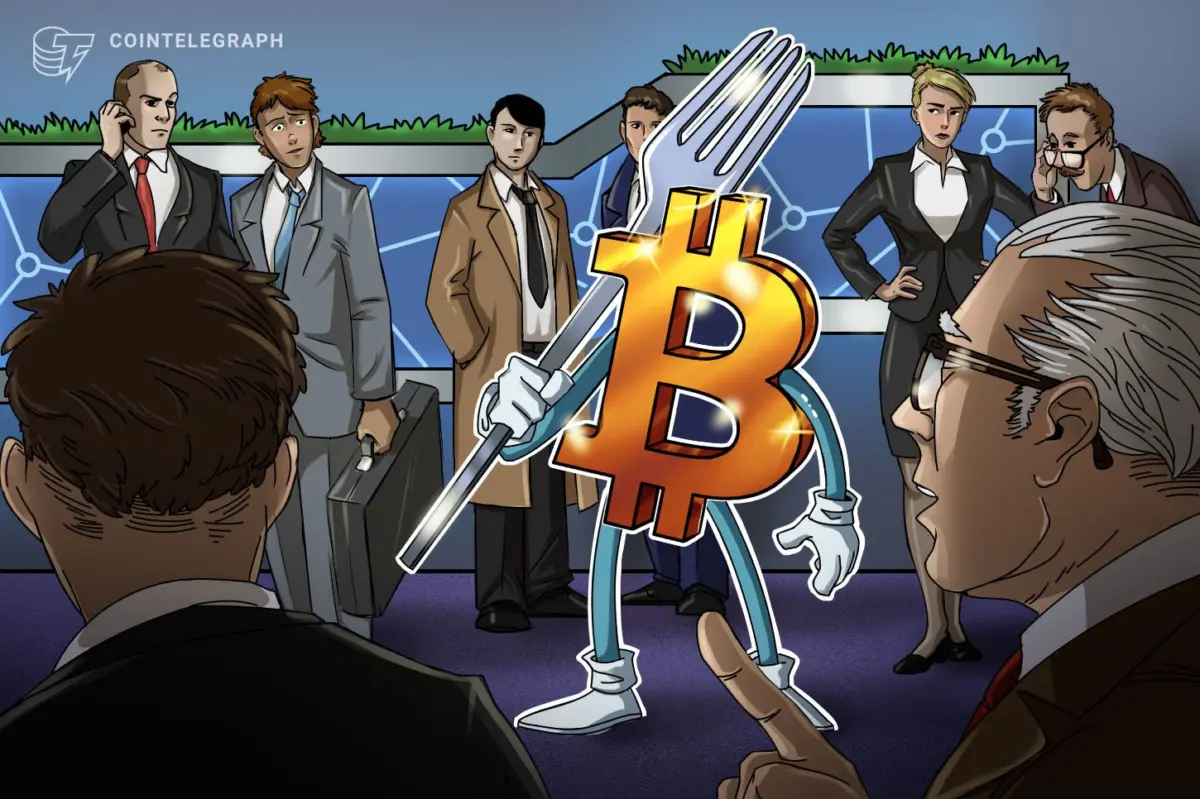
A prominent Bitcoin Ordinals developer has issued a stark warning to the broader cryptocurrency community, threatening to fund the development and maintenance of an open-source fork of Bitcoin Core if node operators and core developers attempt to censor Ordinals, Runes, and other non-financial data transactions on the network.
The public warning, delivered via an open letter on social media platform X by Leonidas—host of *
The Ordinal Show*—comes amid an increasingly fierce ideological battle within the Bitcoin ecosystem. Community members remain deeply divided over whether Bitcoin node validators should strictly prioritize peer-to-peer financial transactions and actively censor, or at least deliberately ignore, large data transactions such as pictures, videos, and documents. While critics of these protocols frequently dismiss them as network spam that bloats the blockchain, proponents argue that they represent permissionless innovation and vital economic activity.
Leonidas warned that any tightening of protocol policy rules or deliberate censorship of Ordinals and Runes transactions would establish a "dangerous precedent" and ultimately trigger "decisive action" from supporters of the digital artifacts.
"If necessary, the DOG Army will fund the development and maintenance of an open source fork of Bitcoin Core that strips out nearly all policy rules, and that thousands of people will run to make it abundantly clear that Bitcoin is and must always remain censorship resistant," Leonidas wrote in his public statement.
The developer’s forceful comments arrived directly on the heels of remarks from Blockstream CEO Adam Back, a foundational figure in the Bitcoin space who has openly expressed the view that non-financial data transactions are spam and should have "no place in the timechain." Back and several other prominent figures within the traditional Bitcoin camp argue that embedding arbitrary data files into the world’s largest cryptocurrency network deviates from its core purpose as a secure, decentralized financial ledger.
Bitcoin Core vs Bitcoin Knots
The philosophical rift over network policy has already manifested in shifting node operator preferences across the globe. Bitcoin Knots, an alternative software client to Bitcoin Core that includes stricter filtering policies regarding transaction types, has experienced a notable surge in popularity over the past year. Statistics from network monitoring platforms indicate that Bitcoin Knots grew from roughly 67 active nodes in March 2024 to more than 4,380 nodes today, currently representing over 18% of the entire Bitcoin network.

This growing adoption of alternative node implementations comes ahead of Bitcoin Core’s anticipated v30 release, which is scheduled for October 30. The upcoming software update is set to officially remove the longstanding 80-byte limit on the OP_RETURN function, a development designed to give developers more flexibility but which critics fear will facilitate the storage of significantly larger media files directly on the blockchain.
The letter from Leonidas was largely prompted by underlying fears within the Ordinals community that traditionalist developers might attempt to overturn or counteract this upcoming update, or implement hardcoded transaction filters that marginalize non-monetary data.
Those siding with Adam Back’s perspective on network purity include prominent industry figures such as Ocean Mining creator Luke Dashjr and Satoshi Action Fund CEO Dennis Porter. These individuals argue that unconstrained data storage threatens to price out traditional financial users by artificially driving up fee rates and increasing the hardware requirements needed to run a fully validating node, which could theoretically compromise the network’s decentralization over the long term.
Bitcoin fees from Ordinals, Runes could keep miners around
Defending the economic utility of the disputed protocols, Leonidas argued that the Ordinals and Runes ecosystems have collectively contributed more than $500 million in transaction fees to secure the Bitcoin network. Proponents of these data-heavy protocols emphasize that robust fee revenue has become an increasingly urgent concern for the network as the Bitcoin mining block subsidy continues to halve every four years, reducing the amount of newly minted bitcoin rewarded to miners for securing blocks.
Leonidas added that he has engaged in direct conversations with Bitcoin miners representing over 50% of the network’s total hash rate. According to these discussions, miners are generally agnostic regarding the philosophical nature of the transactions they process, indicating they would continue to accept any transaction configuration provided that the attached fees remain competitive.
Despite the substantial fees generated during peak periods of market enthusiasm, Ordinals activity has proven to be remarkably unpredictable, exhibiting clear cycles of high demand followed by prolonged lulls.
Data from Dune Analytics illustrates the volatile nature of these revenue streams. On August 31, Bitcoin miners made a meager $3,060 from Ordinals transactions—representing a tiny fraction of the daily record high of $9.99 million raked in by miners on December 16, 2023. Furthermore, even throughout the course of 2025, the strongest daily revenue totals generated by Ordinals activity have failed to top the $1 million mark. This sustained drop in daily revenue suggests that Ordinals and related token standards are currently occupying significantly less blockspace on the network than they did during their initial viral boom, leaving the long-term viability of fee-subsidized mining an ongoing subject of intense debate among developers, miners, and investors alike.
 Dwi Wanna
 Asro
 Nana Wu