
 By Suro Senen
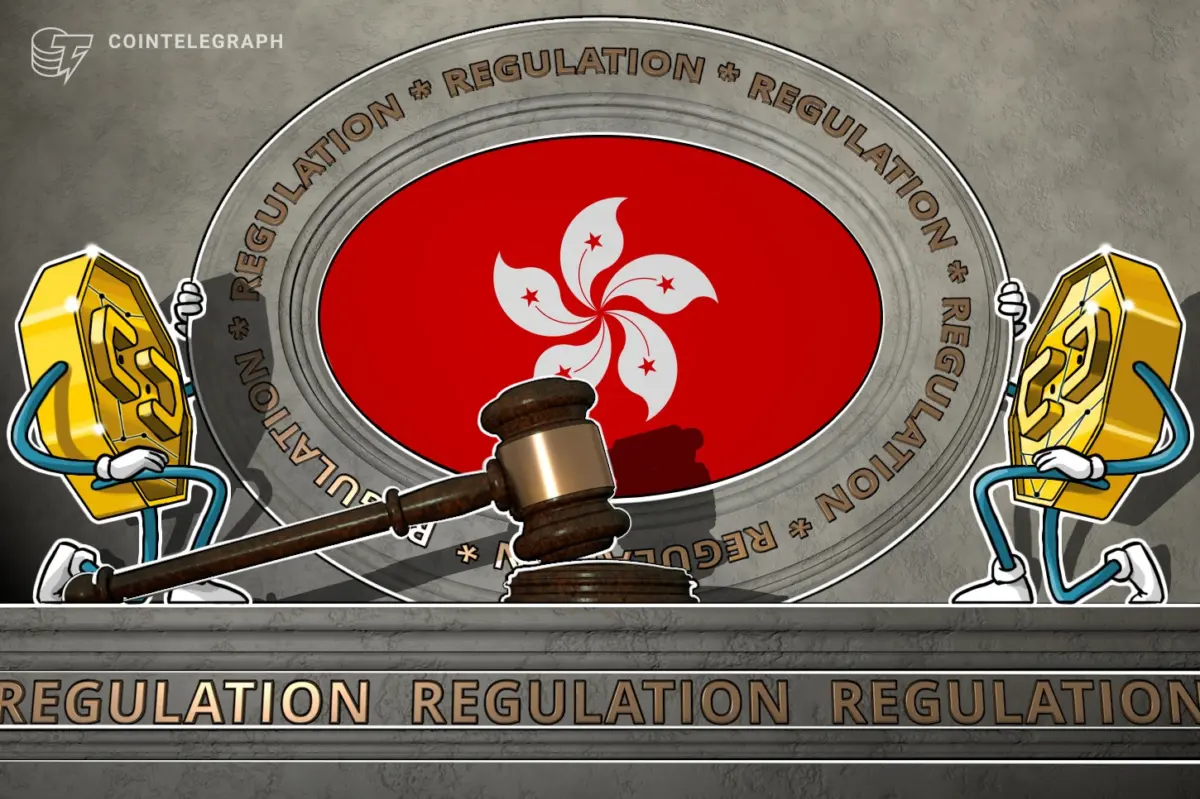
Hong Kong has taken a major step toward tightening its grip on the digital asset sector by publishing a comprehensive legislative bill that will bring cryptocurrency custodians, financial advisers, and various other virtual asset service providers under a mandatory licensing and registration regime, significantly extending regulatory oversight well beyond traditional trading platforms.
On Friday, the government officially published its Virtual Asset Services Legislation (Amendment) Bill 2026, proposing a robust regulatory framework that encompasses four core activities: virtual asset dealing, virtual asset advisory services, virtual asset portfolio management, and virtual asset custody. Under the terms of the newly published legislation, any commercial entity or individual carrying out those specific activities within or targeting the jurisdiction would be legally required to either obtain a formal license from or complete a mandatory registration with the Securities and Futures Commission (SFC).
The proposed legislative amendments are designed to integrate these vital crypto-related services into the existing Anti-Money Laundering and Counter-Terrorist Financing Ordinance. By doing so, the government will subject service providers to rigorous fit-and-proper checks, alongside a broad array of stringent regulatory requirements aimed at safeguarding market integrity. Furthermore, traditional financial institutions such as banks, as well as stored-value facility licensees that are already supervised by the Hong Kong Monetary Authority, would also be required to register with the SFC should they wish to offer virtual asset services to their clients.
SFC Chief Executive Julia Leung emphasized the strategic importance of the regulatory expansion, noting that the proposal would substantially strengthen investor protections across the board while simultaneously establishing much clearer, more transparent pathways for responsible financial innovation within the special administrative region. Following the official publication of the bill, the proposed legislation is officially set to receive its first reading in the Legislative Council on December 2, marking the beginning of the formal parliamentary deliberation process.
The introduction of the bill follows through on governmental commitments made earlier in the year. In October, Hong Kong officials explicitly stated that the administration intended to introduce legislation covering those four distinct operational activities before the end of 2026, a move that came in the wake of extensive public and industry-wide consultations regarding the proposed regulatory framework.
However, the expansion of the regulatory regime has not been without its critics, raising notable implementation concerns among industry participants since the initial contours of the policy were discussed. Back in January, the Hong Kong Securities and Futures Professionals Association publicly warned that the introduction of mandatory licenses without adequate transitional arrangements could potentially force many existing businesses to temporarily suspend their daily operations while their formal licensing applications are thoroughly reviewed by regulators. At the time, the association strongly urged policymakers to implement a grace period ranging from six to twelve months to ensure a smoother transition for established market players.
This broader regulatory push by Hong Kong authorities mirrors an increasingly cautious yet structured approach to the digital asset economy, highlighted by ongoing efforts to monitor both compliant entities and suspicious market participants operating within the jurisdiction.
 Laily UPN
 Sagoh
 Ali Ikhwan