
 By Ali Ikhwan
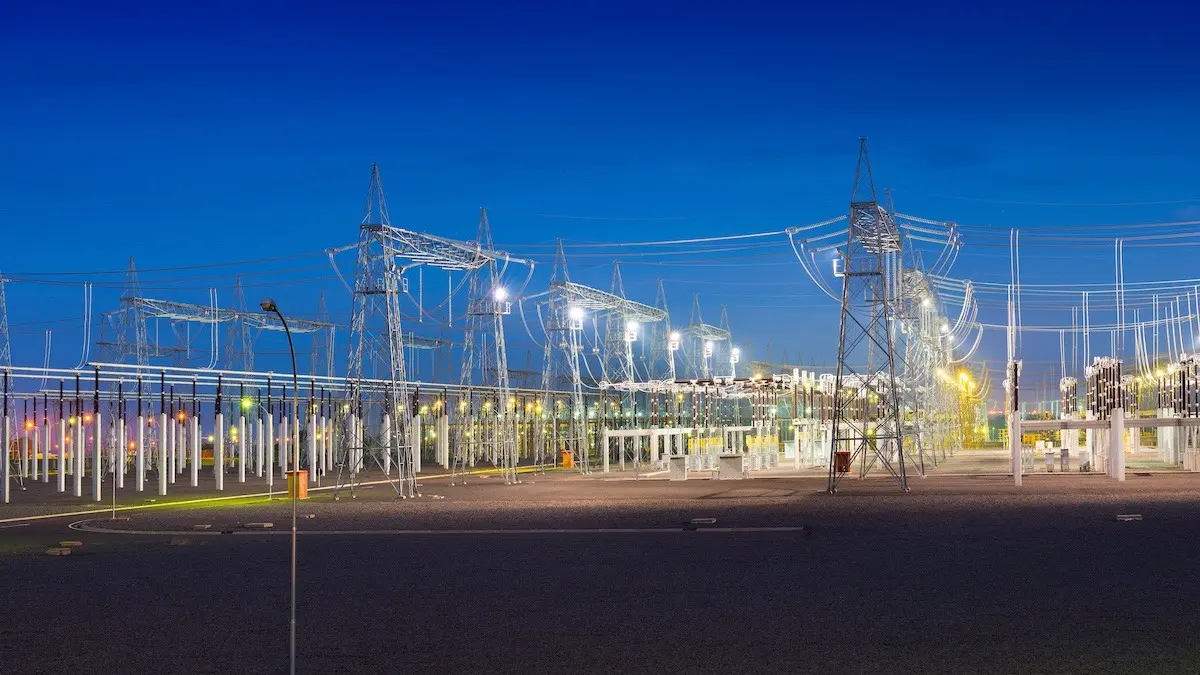
Southern Company, one of the nation’s largest energy providers, has officially confirmed that it is currently notifying approximately 400,000 customers regarding a security incident in which their personal utility account information was accessed by an unauthorized third party. The breach, which occurred through the company’s online customer portal, has prompted an immediate investigation and a large-scale notification effort across several of the company’s major utility subsidiaries.
The Atlanta-based energy holding company operates on a massive scale, providing essential utility services to more than 9 million customers throughout the United States. Its operational footprint spans electric utilities in three states and natural gas distribution businesses across four states. Given the breadth of its services, the company maintains extensive digital infrastructure to manage billing, account maintenance, and customer communication, making its online portals a significant target for potential digital incursions. The electric subsidiaries most directly impacted by this latest development include Georgia Power, Alabama Power, and Mississippi Power.
According to the data provided by Southern Company, the impact of the breach is concentrated heavily in Georgia and Alabama. Approximately 300,000 of the affected accounts belong to Georgia Power customers, representing the largest single group of individuals impacted by the unauthorized access. Additionally, the company confirmed that roughly 100,000 of Alabama Power’s 1.6 million customer accounts were compromised in the incident. While Mississippi Power is also listed as an affected entity in the company’s official public notice, the company has not yet released specific figures regarding the number of Mississippi Power customers whose data may have been accessed.
In an official statement released to the media, Southern Company addressed the incident, emphasizing that they acted swiftly upon discovering the breach. "An unauthorized third party accessed certain, limited information about the accounts of approximately 400,000 customers," the company stated. "Upon detection, we took immediate steps to stop the activity and have engaged law enforcement." The involvement of law enforcement suggests that the company is treating the breach as a criminal matter, potentially involving sophisticated actors who were able to bypass security measures protecting the online portal.
The nature of the information exposed is a primary concern for the affected utility customers. Southern Company’s public notice outlines exactly what was accessed during the event. Based on the findings of their internal investigation, the unauthorized party gained access to specific categories of customer data. This includes the customer’s full name, their mailing address, phone number, email address, and the last four digits of their Social Security Number. Furthermore, the company noted that other "basic account details" were also part of the exposure, though it stopped short of defining those details beyond the aforementioned categories.
For many customers, the primary anxiety following a data breach is the potential for identity theft or financial fraud. In this specific instance, Southern Company has sought to mitigate those concerns by clarifying what was not accessed. The utility company explicitly stated that the attacker did not gain access to sensitive financial information, such as bank account numbers, payment card numbers, or driver’s license numbers. By compartmentalizing the data stored in the online portal, the company appears to have limited the potential for direct financial theft, though the exposure of names, addresses, and partial Social Security numbers still leaves victims vulnerable to sophisticated phishing campaigns or social engineering attacks.
The timing and the specific method of the breach remain significant questions that have yet to be fully addressed. Southern Company has not disclosed the exact date the intrusion took place, nor have they provided a detailed technical explanation regarding how the attacker managed to circumvent the security protocols of the customer portal. The lack of specific timeline data can be frustrating for customers who are attempting to determine if their personal information was exposed during a specific window of time. In the world of cybersecurity, the gap between the actual intrusion and the discovery of the breach is often referred to as "dwell time," and it is a metric that security professionals watch closely to determine the effectiveness of an organization’s threat detection capabilities.
As part of their response, Southern Company is conducting direct outreach to the individuals impacted by the incident. Customers are being notified through both postal mail and email. These notifications serve the dual purpose of informing customers of the breach and providing them with the necessary tools to protect themselves moving forward. As a standard industry response to such incidents, the company is offering one year of free credit monitoring to the impacted individuals. This service is intended to help customers track their credit reports for suspicious activity, which is a common byproduct of the exposure of personal identifiers like the last four digits of a Social Security number.
The incident highlights the ongoing challenges faced by large-scale utility providers in securing their digital interfaces. As energy companies have shifted more of their customer service operations to online portals—allowing for seamless bill payment, energy usage tracking, and service requests—they have simultaneously increased the "attack surface" that hackers can exploit. Protecting this infrastructure requires not only robust firewalls and encryption but also constant monitoring for anomalies that might indicate an ongoing unauthorized presence.
This breach at Southern Company joins a growing list of significant cyber incidents that have impacted millions of people across various industries recently. For instance, the retail sector saw a notable security challenge when ASOS confirmed a data breach, and the technology industry was impacted when Advantest disclosed a breach several months after experiencing a ransomware attack. Furthermore, the public sector is not immune; millions of individuals in Denmark were affected by a breach at the Central Person Register, and the Arizona court system recently reported a cyberattack that resulted in the theft of personal information for over one million people. These events serve as a sobering reminder of the persistent threat landscape, where organizations of all sizes and sectors are constantly navigating the risk of data theft.
For the customers of Southern Company, the immediate priority is to remain vigilant. While the company has taken steps to secure the portal and notify those affected, the reality of modern cybersecurity is that once data has been accessed, it remains in the hands of the unauthorized party. Experts often advise individuals who have been part of a data breach to be particularly cautious of unsolicited emails, phone calls, or text messages, as attackers may use the stolen names and contact information to create convincing fraudulent messages.
Southern Company continues to cooperate with law enforcement agencies as the investigation into the breach proceeds. The company has directed affected customers to their official website, where they have provided further information regarding the incident and guidance on how to enroll in the complimentary credit monitoring service. As more details become available, the company will likely face ongoing scrutiny regarding their cybersecurity infrastructure and the measures they are taking to prevent similar intrusions in the future. For now, the focus remains on remediation, communication, and ensuring that those impacted by the breach have the resources necessary to secure their personal information against potential future misuse. The scale of this incident, impacting hundreds of thousands of people, underscores the critical nature of data protection in the utility sector, where service is essential and the security of customer information is a fundamental component of the trust required between a utility provider and the public they serve.
 Muslim
 Nana Muazin
 Laily UPN