
 By Suro Senen
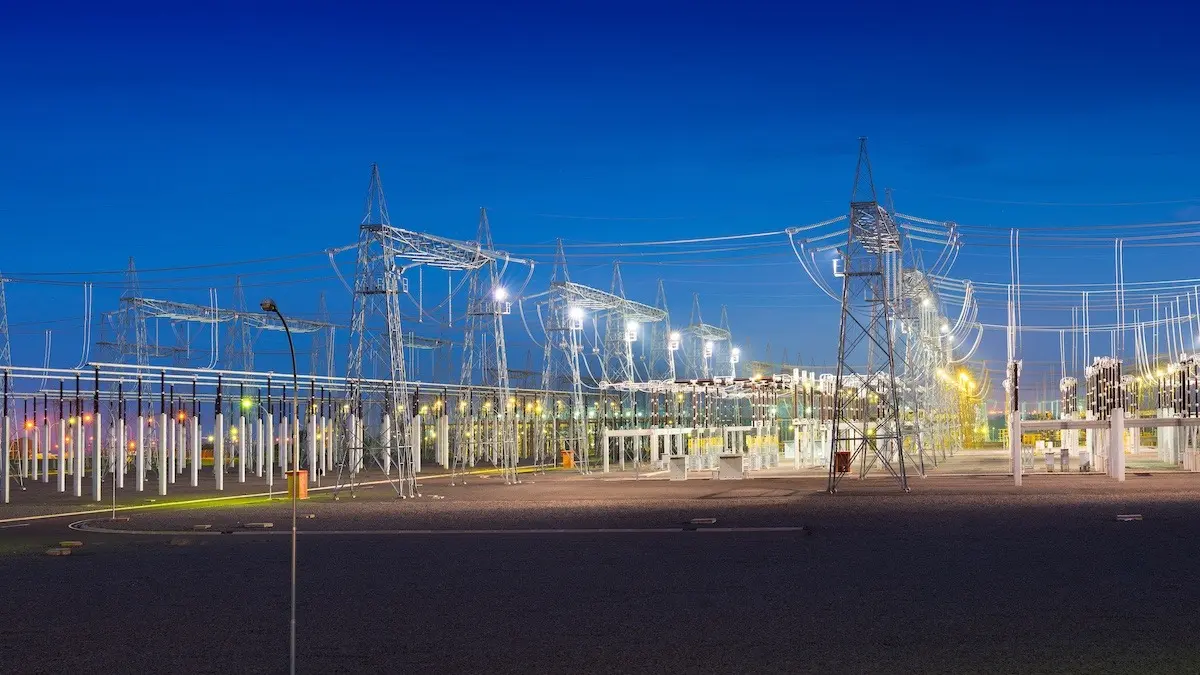
Southern Company, the Atlanta-based energy giant, has officially confirmed that a significant cybersecurity incident has compromised the personal information of approximately 400,000 of its utility customers. The breach, which originated through an unauthorized intrusion into the company’s online customer portal, has sent shockwaves through its extensive service network, prompting immediate security reviews and a comprehensive notification process for those affected.
As one of the largest energy holding companies in the United States, Southern Company maintains a massive footprint, providing essential electric and natural gas services to more than 9 million customers. Its influence is particularly dominant in the Southeast, where its electric subsidiaries—Georgia Power, Alabama Power, and Mississippi Power—serve as the primary utility providers for millions of households and businesses. Given the sheer scale of the company’s operations, the disclosure of this data breach serves as a stark reminder of the persistent and evolving threats facing critical infrastructure providers and the sensitive data they manage on behalf of their ratepayers.
According to the details provided by the company, the impact of the breach is geographically concentrated but significant in scope. Georgia Power accounts for the largest share of the affected individuals, with approximately 300,000 customer accounts accessed by the unauthorized third party. Alabama Power, which manages roughly 1.6 million accounts, reported that approximately 100,000 of its users were also caught up in the intrusion. While Mississippi Power was explicitly identified in the company’s formal public notice as having been impacted by the event, Southern Company has yet to provide a specific numerical figure regarding the number of affected customers within that jurisdiction. The absence of a total figure for Mississippi Power suggests that the forensic investigation into the extent of the unauthorized access may still be ongoing, or that the company is continuing to verify the scope of the impact across its various digital platforms.
In a statement released to the media, Southern Company characterized the incident as a targeted digital intrusion, noting that they acted swiftly to mitigate further damage once the anomaly was detected. "An unauthorized third party accessed certain, limited information about the accounts of approximately 400,000 customers," the statement read. "Upon detection, we took immediate steps to stop the activity and have engaged law enforcement to investigate the matter."
The security of customer data remains a paramount concern for utility companies, which are increasingly targeted by cybercriminals due to the vast amounts of personally identifiable information (PII) they store. Southern Company’s public notice provides a breakdown of the specific categories of data that were exposed during this incident. According to the company, the unauthorized party gained access to limited account details, which include the customer’s full name, mailing address, phone number, and email address. In some instances, the breach also exposed the last four digits of a customer’s Social Security Number and other basic account-related details.
While the inclusion of partial Social Security numbers and contact information is undoubtedly concerning for those affected, the utility company was quick to clarify what was not taken. Southern Company emphasized that the attacker did not gain access to highly sensitive financial credentials. The company confirmed that bank account numbers, payment card numbers, and driver’s license numbers remained secure and were not involved in the unauthorized access. This distinction is crucial, as it suggests that while the breach facilitates potential risks like phishing or identity verification fraud, it does not provide attackers with the direct keys to customers’ financial assets or banking portals.
Despite the disclosure, many questions remain regarding the technical nature of the attack. Southern Company has not yet released specific information regarding the timeline of the intrusion, nor have they disclosed the methodology used by the attacker to bypass the security measures protecting the online customer portal. In the world of cybersecurity, the "how" and "when" are often as important as the "what," as they provide critical intelligence for other organizations seeking to harden their own defenses against similar exploits. By remaining tight-lipped on the specifics of the vulnerability, the company is likely prioritizing the integrity of its ongoing forensic investigation and coordinating with law enforcement agencies, such as the FBI or federal cybersecurity task forces, which are typically involved in high-profile data breaches involving critical infrastructure.
For the 400,000 customers impacted, the fallout from this breach will be managed through a formal notification campaign. The company has begun reaching out to affected individuals via both postal mail and email. These communications are designed to inform the customers of the specific data points compromised and to provide guidance on the protective measures the company is putting in place. As a standard industry practice in the wake of such incidents, Southern Company is offering those affected one year of free credit monitoring services. This service is intended to provide customers with an early warning system should their personal information be misused for fraudulent purposes, such as unauthorized credit inquiries or identity theft.
The incident at Southern Company is indicative of a broader trend of cybersecurity challenges facing the utility sector. In recent years, companies that provide essential services—such as electricity, water, and natural gas—have become prime targets for state-sponsored actors and cybercriminal syndicates alike. The digital transformation of these utilities, which now rely heavily on online portals for billing, usage tracking, and customer service, has expanded the "attack surface" available to hackers. Each new digital touchpoint creates a potential vulnerability that must be monitored, patched, and defended against an ever-evolving array of threats.
This incident also underscores the complexity of managing data across multiple, large-scale utility subsidiaries. With a portfolio that spans three states for electric utilities and four for natural gas distribution, Southern Company must ensure that its security protocols are consistent and robust across all its business units. A breach in one portal can have a ripple effect, necessitating a massive, coordinated response that must satisfy both federal data protection standards and the expectations of millions of ratepayers who rely on these companies for their daily needs.
As the investigation into the Southern Company breach continues, industry observers will likely be looking for further disclosures regarding the security lapses that permitted this unauthorized access. The incident serves as a stark reminder for customers to remain vigilant, even when utility companies provide assurances about what data was not compromised. Experts often recommend that individuals affected by such breaches remain cautious of unsolicited communications, as the data stolen—names, addresses, and email addresses—can be effectively utilized by scammers to conduct targeted phishing attacks. By impersonating the utility company, malicious actors can sometimes trick individuals into revealing more sensitive information, such as full Social Security numbers or banking details, that the original breach did not expose.
The utility sector, long considered the backbone of the national economy, is clearly in the crosshairs of cyber adversaries. As the digital and physical worlds become increasingly integrated through smart grids and online customer interfaces, the burden on organizations like Southern Company to maintain absolute security will only grow. For now, the priority for the company remains the containment of the incident, the notification of its customers, and the coordination with law enforcement to identify the parties responsible for the intrusion.
As of the latest reports, Southern Company has stated that it is cooperating fully with authorities and is committed to restoring the trust of its customers. The offer of free credit monitoring is a significant step toward addressing the immediate concerns of the public, but the long-term impact on the company’s reputation and the security of its digital infrastructure remains to be seen. In an era where data is one of the most valuable commodities, the ability to safeguard that information is now a core component of what it means to be a reliable utility provider.
For those impacted by the breach, the company has provided a dedicated resource page on its website, where customers can find information regarding the incident, steps they can take to secure their personal information, and instructions on how to enroll in the provided credit monitoring services. The link, provided through the Georgia Power and Southern Company portals, acts as the primary hub for updates as the investigation proceeds. As the situation develops, customers are encouraged to monitor their accounts for any suspicious activity and to remain cautious of any communications that request personal or financial information.
The incident remains an ongoing investigation, and as more forensic data becomes available, it is possible that the company will release further details regarding the nature of the breach. For the millions of customers of Southern Company, this serves as a significant wake-up call regarding the reality of the digital age and the necessity of proactive security measures in protecting one’s personal identity. The resolution of this event will undoubtedly serve as a case study for other major corporations navigating the complexities of large-scale data breaches in the modern utility sector.
 Muslim
 Nana Muazin
 Laily UPN