
 By Layla Zulfa
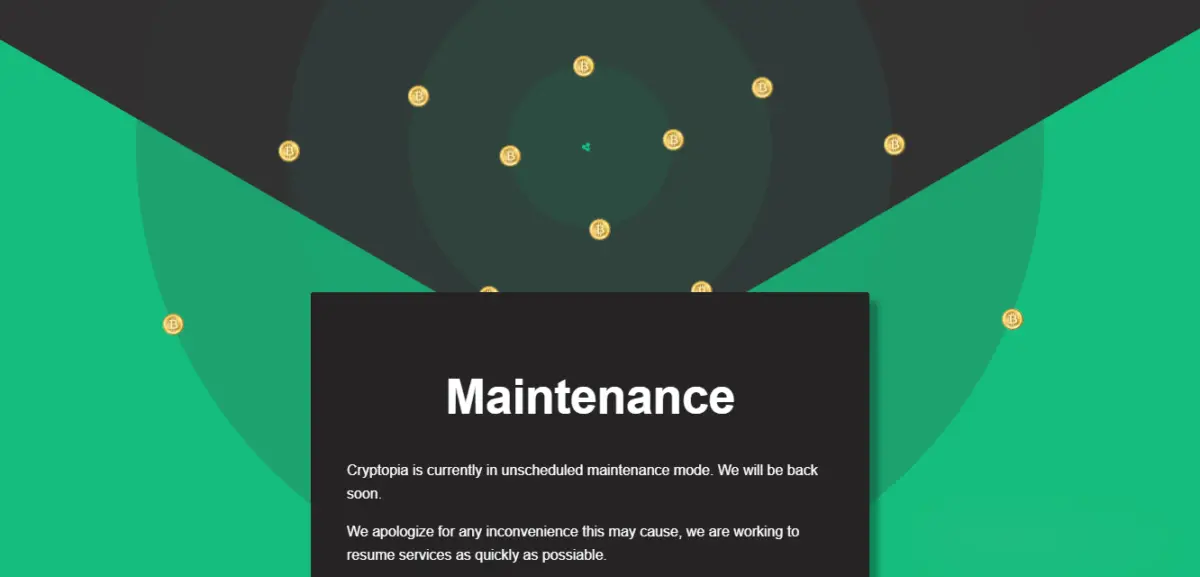
The cryptocurrency landscape, which had begun the year with a renewed sense of optimism following modest recoveries for major digital assets like Bitcoin and Tron, has been dealt an unexpected blow. Just as market participants were attempting to shake off the lingering sentiment of a punishing bear market, malicious actors struck the digital asset ecosystem in the Southern Hemisphere. Cryptopia, a prominent and long-standing cryptocurrency exchange based in New Zealand, announced that its security infrastructure had been severely compromised, forcing the platform to abruptly halt operations and enter an unscheduled lockdown.
The security breach, which came to light on January 14, 2019, sent immediate shockwaves through the regional and global digital currency communities. Management at the Christchurch-headquartered exchange revealed that unauthorized access had led to significant losses of user and platform funds. In response to the crisis, Cryptopia leadership took swift action to isolate the remaining secure systems, suspending all trading activities indefinitely while internal teams and external cybersecurity specialists scrambled to contain the damage.
According to initial statements released by the exchange, executive leadership immediately notified local law enforcement and relevant state authorities. New Zealand law enforcement agencies stepped in to assist with the digital forensics and investigation, aiming to trace the origin of the breach and identify the perpetrators responsible for the unauthorized penetration. For the exchange’s user base, the abrupt suspension of trading and withdrawal capabilities created an atmosphere of profound uncertainty, leaving thousands of traders unable to access their digital holdings while investigations unfolded behind closed doors.

Blockchain analytics and external reporting soon began to piece together the mechanics of the exploit. Industry monitors, including independent blockchain investigators and crypto-focused news outlets such as Bitcoinist, flagged suspicious on-chain activity originating from wallets tagged to the exchange. Approximately forty-three hours before the formal public acknowledgment by management, an anomalous transaction transferred roughly $2.5 million worth of Ether out of a Cryptopia-associated wallet. Although the exact final destination of these stolen funds remained shrouded in mystery as multiple secondary wallets and mixing services were potentially utilized to obscure the trail, industry analysts widely concurred that this multimillion-dollar movement formed a substantial portion of the losses officially acknowledged by the exchange leadership.
This catastrophic incident arrives on the heels of a notoriously turbulent period for the global cryptocurrency sector. Throughout the preceding year, the digital asset market was defined by a punishing and prolonged bear market that saw steep valuation declines across virtually every major token. Compounding these economic pressures was an alarming wave of high-profile exchange hacks and platform exploits that drained hundreds of millions of dollars from the ecosystem. Major security failures, such as the massive compromise of Japanese exchange Coincheck that resulted in hundreds of millions in losses, served as painful reminders of the fragile state of centralized digital asset custody at the time.
While industry participants had entered the new year hoping that enhanced regulatory scrutiny, improved operational standards, and technological advancements would usher in a more secure environment, the Cryptopia breach proved that malicious actors remained undeterred. The targeting of a smaller, regional platform like Cryptopia—which had previously enjoyed a period of immense popularity during earlier market booms before seeing its market share shift amid fierce global competition—underscored a sobering reality for the industry. Security experts pointed out that no platform, regardless of its current trading volume or global footprint, was immune to sophisticated cyber threats. The incident acted as an urgent wakeup call for larger, more heavily capitalized international exchanges to aggressively audit their security postures, enhance multi-sig wallet protections, and reinforce internal access controls to fend off increasingly sophisticated state-sponsored and independent hacking rings.
The breach at Cryptopia also highlighted the broader vulnerabilities inherent in centralized cryptocurrency custodianship. Unlike decentralized exchanges where users retain direct custody of their private keys, centralized platforms act as honey pots containing vast pools of user funds, making them prime targets for cybercriminals. As news of the hack spread across social media platforms and cryptocurrency forums, traders and investors renewed debates regarding the fundamental philosophy of self-custody, frequently repeating the mantra to keep only actively traded funds on centralized order books while utilizing hardware wallets for long-term storage.

Furthermore, the Cryptopia attack represented the first major exchange-level security breach reported in the early weeks of the year, though several smaller-scale compromises and phishing campaigns targeting prominent industry figures and social media channels had already surfaced. Observers noted that as the digital asset economy continued to mature and attract higher valuations, the financial incentives for cybercrime would only escalate, necessitating a structural evolution in how exchanges handle operational security, hot wallet management, and incident response protocols.
As the investigation continued, management at Cryptopia pledged to provide transparent updates to its community as soon as verified information became available from the ongoing forensic audits and law enforcement inquiries. In the interim, market participants were advised to remain intensely vigilant regarding secondary scams, phishing attempts, and fraudulent support channels that routinely emerge in the wake of major exchange compromises to exploit distressed users. With the investigation still in its early stages and the full financial impact yet to be comprehensively tallied, the incident stands as a stark reminder of the persistent security challenges facing the cryptocurrency industry as it navigates an increasingly complex digital threat landscape.
 Azzam Bilal Chamdy
 Evan Lee Salim
 Nila Kartika Wati